

 English
 عربى
عربىTo clean a dish drying rack effectively, soak it in hot water with dish soap and then scrub every surface with a soft brush or sponge. For hard water stains, substitute white vinegar for the soak. This routine removes grease, mold, and limescale in about 10 minutes, keeping your rack hygienic and ready to dry dishes safely.
Why You Should Clean Your Dish Rack Often
If you skip regular cleaning, your dish rack becomes a breeding ground for mold, bacteria, and hard water scale that can transfer onto freshly washed dishes.
Drying racks sit next to the sink and are constantly exposed to food residue, leftover soap, and stagnant water. Over time, the silicone tier or metal grid can develop a slippery film and a musty smell. In a high-humidity kitchen, black mold can form in the corners or where water pools beneath the rack.
Moreover, hard water leaves calcium and magnesium deposits. These white crusts cling to the metal and plastic surfaces, making the rack harder to clean and eventually ruining the finish. For households with stainless steel racks, scale can dull the shine and encourage rust if it traps moisture.
How Often Should You Clean Your Dish Rack?
A quick clean once or twice a week is enough for most households, while deep cleaning should be done every four to six weeks.
| Cleaning type | Frequency | Time needed | What to target |
|---|---|---|---|
| Quick rinse | After each dishwashing session | 30 seconds | Food particles, soap residue |
| Regular wash | 1-2 times per week | 5 minutes | Grease film, superficial mold |
| Deep clean | Every 4-6 weeks | 15-20 minutes | Hard water scale, stubborn mold, rust |
Step-by-Step Cleaning Routine
The most reliable way to clean a dish rack is to follow a five-step process that removes grease, mold, and scale in about 10 minutes.
- Disassemble the rack if possible. Remove the utensil holder, drip tray, and any detachable parts.
- Fill the sink or a large tub with hot water and add a generous squirt of dish soap. If you have hard water stains, add one cup of white vinegar.
- Let the rack soak for 10-15 minutes to loosen grease and mineral buildup.
- Scrub every surface with a soft-bristle brush or non-abrasive sponge. Use an old toothbrush for tight corners, joints, and the slot where plates stand.
- Rinse thoroughly under hot running water and dry the rack completely with a clean towel or air dry it in direct sunlight.
How to Clean Different Rack Materials
The cleaning method for your dish rack depends on the material, because each type has different tolerances for acids, abrasives, and heat.
| Material | Best cleaners | Avoid | Special tips |
|---|---|---|---|
| Plastic | Dish soap, baking soda paste, white vinegar | Scouring pads, bleach | Soak in warm water to avoid warping |
| 304 stainless steel | Dish soap, vinegar, mild dishwasher detergent | Chlorine bleach, steel wool, strong acids | Dry immediately to prevent water spots |
| Carbon steel / black iron | Soapy water, a little baking soda | Prolonged soaking, acidic cleaners | Re-apply a thin coat of oil or wax after cleaning |
For a stainless steel rack, the key is to avoid abrasive scrubbers that scratch the passive chromium layer and create pitting sites. A soft cloth or sponge, together with vinegar for limescale, is usually safe. This is one reason why 304 stainless steel outperforms other materials in kitchen environments.
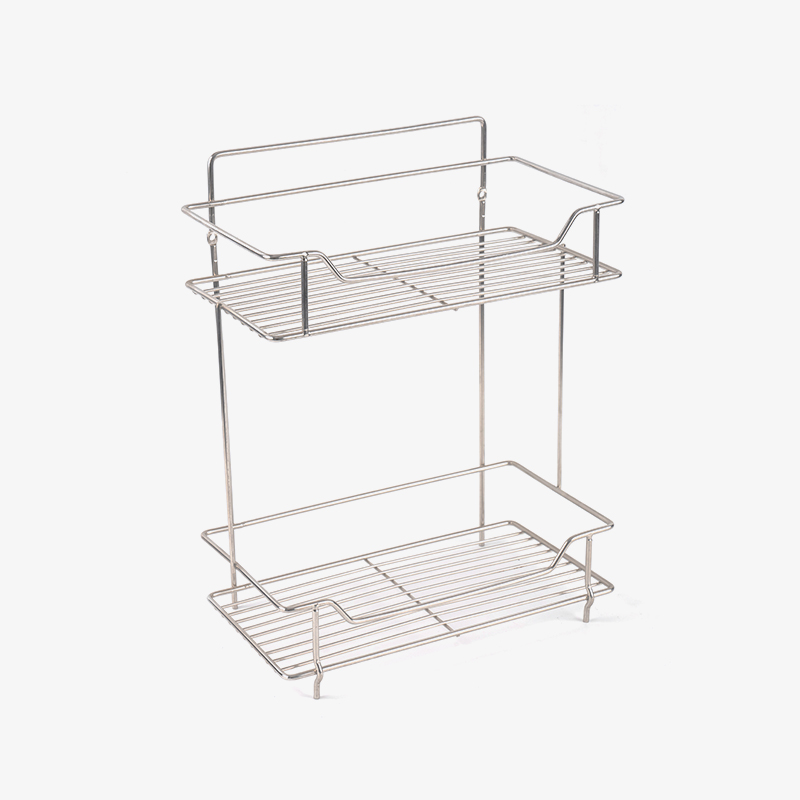
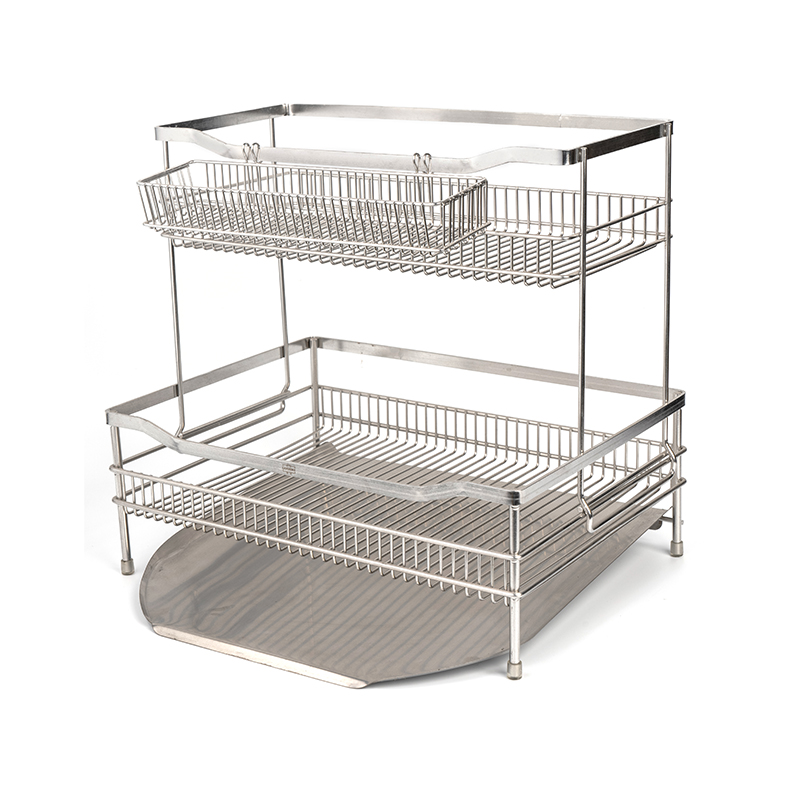 Stainless Steel Two-Tier Dish Drying Rack with Drainboard This 304 stainless steel rack features a nano-coated surface for rust resistance and a drainboard that directs water to the sink, keeping counters dry and organized while saving space. View Product →
 Common Dish Rack Cleaning Mistakes to Avoid
These four mistakes shorten the life of your dish rack and make cleaning harder.
- Using steel wool on stainless steel - this creates micro-scratches that trap dirt and promote rust.
- Leaving the rack wet after cleaning - pooled moisture is what allows mold to return within hours.
- Soaking a carbon steel or black iron rack for too long - extended exposure to water removes protective coatings.
- Ignoring the drip tray - this hidden area collects the worst grime and should be scrubbed at every deep clean.
How to Prevent Buildup and Keep Your Dish Rack Cleaner
Prevention matters more than heavy scrubbing: dry the rack after each use, empty the drip tray, and rinse off loose food particles before they harden.
Dry excess water. Shake off leftover droplets and let the rack drain fully.
Rinse periodically. Rinse the rack under the faucet every two or three days to remove invisible residue.
Wash the tray. Remove the drip tray and wash it separately; a tray with a drain hole reduces stagnant water.
Use a vinegar rinse. If you live in a hard water area, use a final vinegar rinse on the rack once a week to prevent scale from building up.
When selecting a rack, look for removable parts, a rust-resistant surface, and an open design that allows air to circulate. These features cut down on hidden nooks where grime can collect. A black iron or carbon steel rack can be a durable choice if its finish is properly maintained.
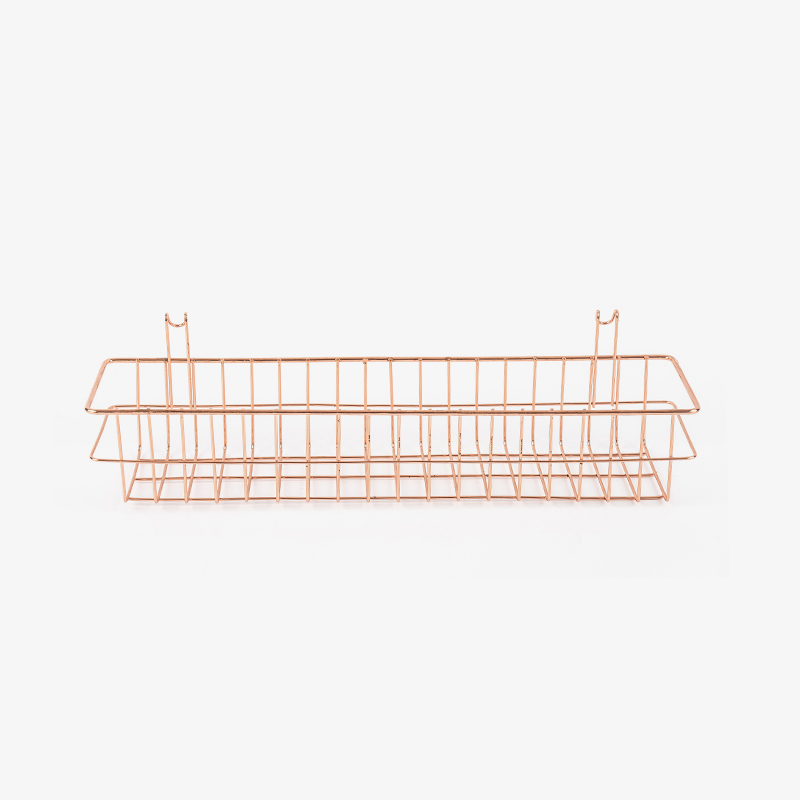
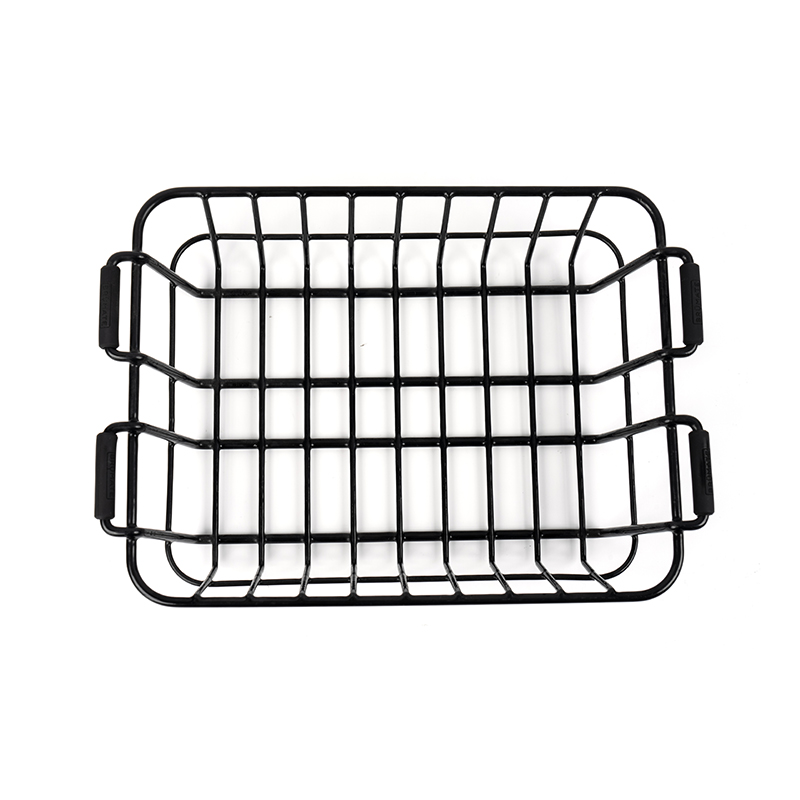 Black Iron Wire Storage Baskets with Wooden Handles These durable iron wire baskets promote air circulation, making them suitable for storing produce. Their wooden handles ease transport, and they stack compactly when not in use. View Product →
 What to Look for When Choosing an Easy-to-Clean Dish Rack
The best dish rack for easy maintenance has a minimal number of small crevices, a removable drip tray, and a coating that resists corrosion and hard water stains.
Stainless steel racks are popular because they are durable, relatively rust-resistant, and require no protective coating. High-grade 304 stainless steel stands up well to weekly washing and occasional vinegar soaks. A design with wider wire spacing lets water drain quickly and prevents mold from hiding in seams. Our manufacturing process emphasizes strict quality control from material selection to final finishing.
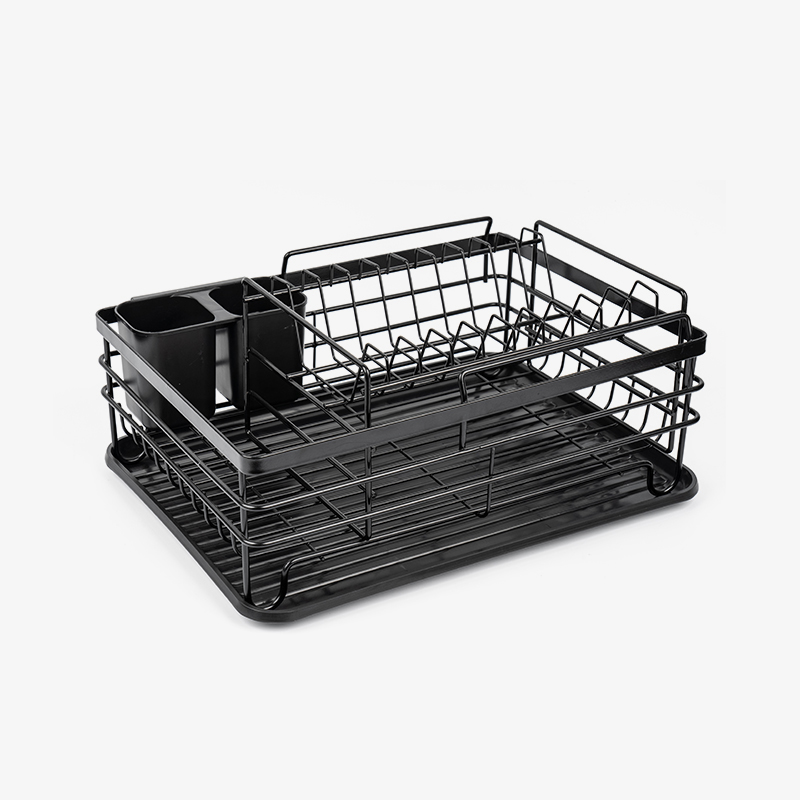
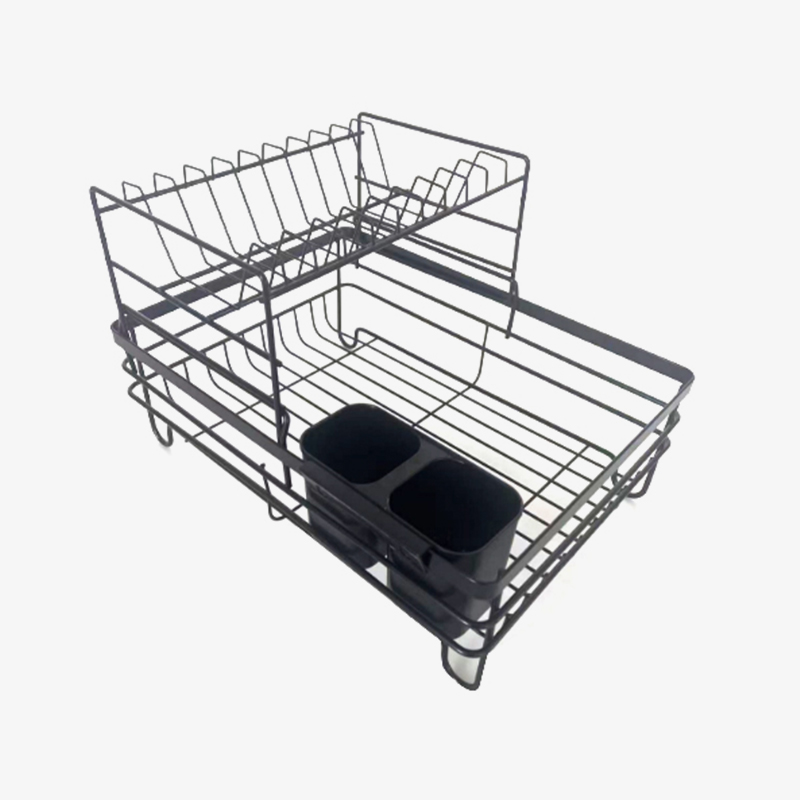 Large Black Stainless Steel Two-Tier Dish Rack with Swivel Spout Offering ample space for 3-6 people, this rust-resistant rack has an L-shaped design and anti-slip feet. Its 360° swivel spout ensures efficient drainage, keeping counters tidy. View Product →
 Frequently Asked Questions
Can I put my dish rack in the dishwasher?
If the rack is dishwasher safe, yes. Check the label first. Some plastic models can warp at high temperatures, while stainless steel racks with a mirror finish may develop dull spots from detergent. If you are not sure, hand washing is always safer.
How do I remove rust spots from a metal dish rack?
Light rust can be removed with a paste of baking soda and water or a mild vinegar soak, then scrubbing with a soft brush. Afterward, dry the rack immediately and apply a thin coat of cooking oil or a rust-prevention spray to protect the surface.
Is baking soda or vinegar better for hard water stains?
They work well together. Vinegar dissolves the calcium and magnesium deposits in hard water stains, while baking soda acts as a gentle abrasive that lifts the loosened residue from the surface. Use vinegar first, then follow with a baking soda paste for stubborn spots.
How often should I replace a dish drying rack?
A well-maintained rack can last for years, especially if it is made from 304 stainless steel. Replace it when you see deep rust that cannot be cleaned, cracked rubber feet, or a drip tray that has cracked and no longer drains properly.
Can I use bleach to disinfect a dish rack?
Bleach can be too harsh for most dish racks, especially metal. It can corrode stainless steel and cause brittleness in plastics. For disinfecting, use hot water and dish soap, or a diluted solution of white vinegar. On plastic surfaces, a mild hydrogen peroxide spray is a safer alternative.